The two formulas that
solve 90% of cases
You only need to remember two. Everything else is a variation.
Worked Example
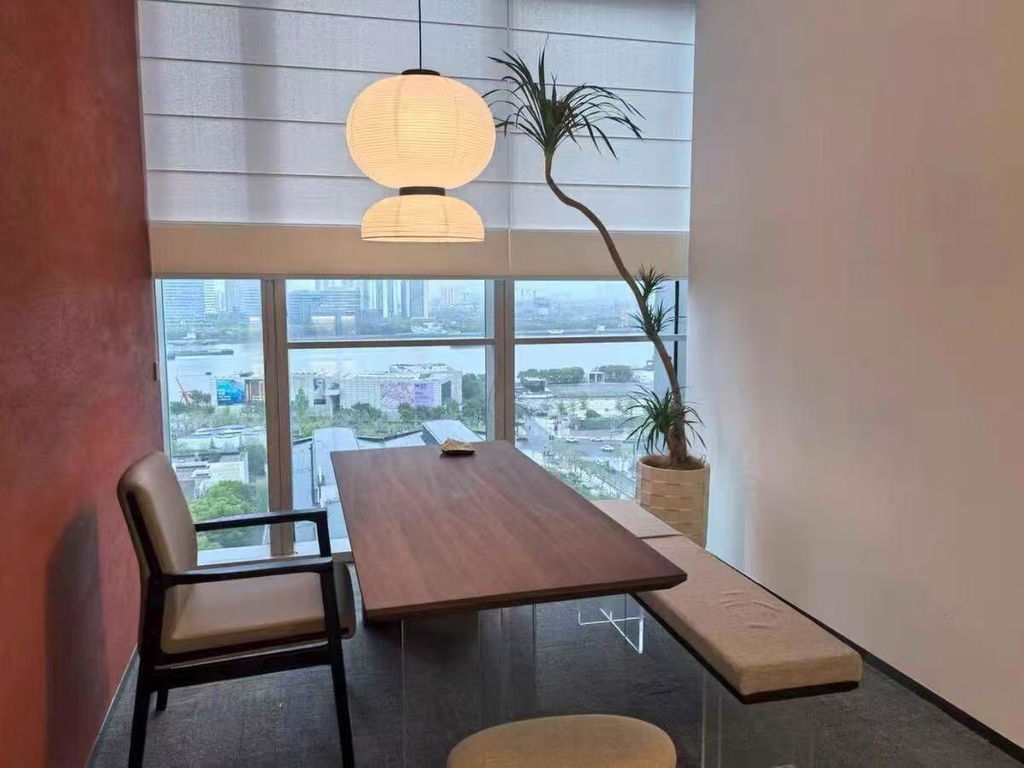
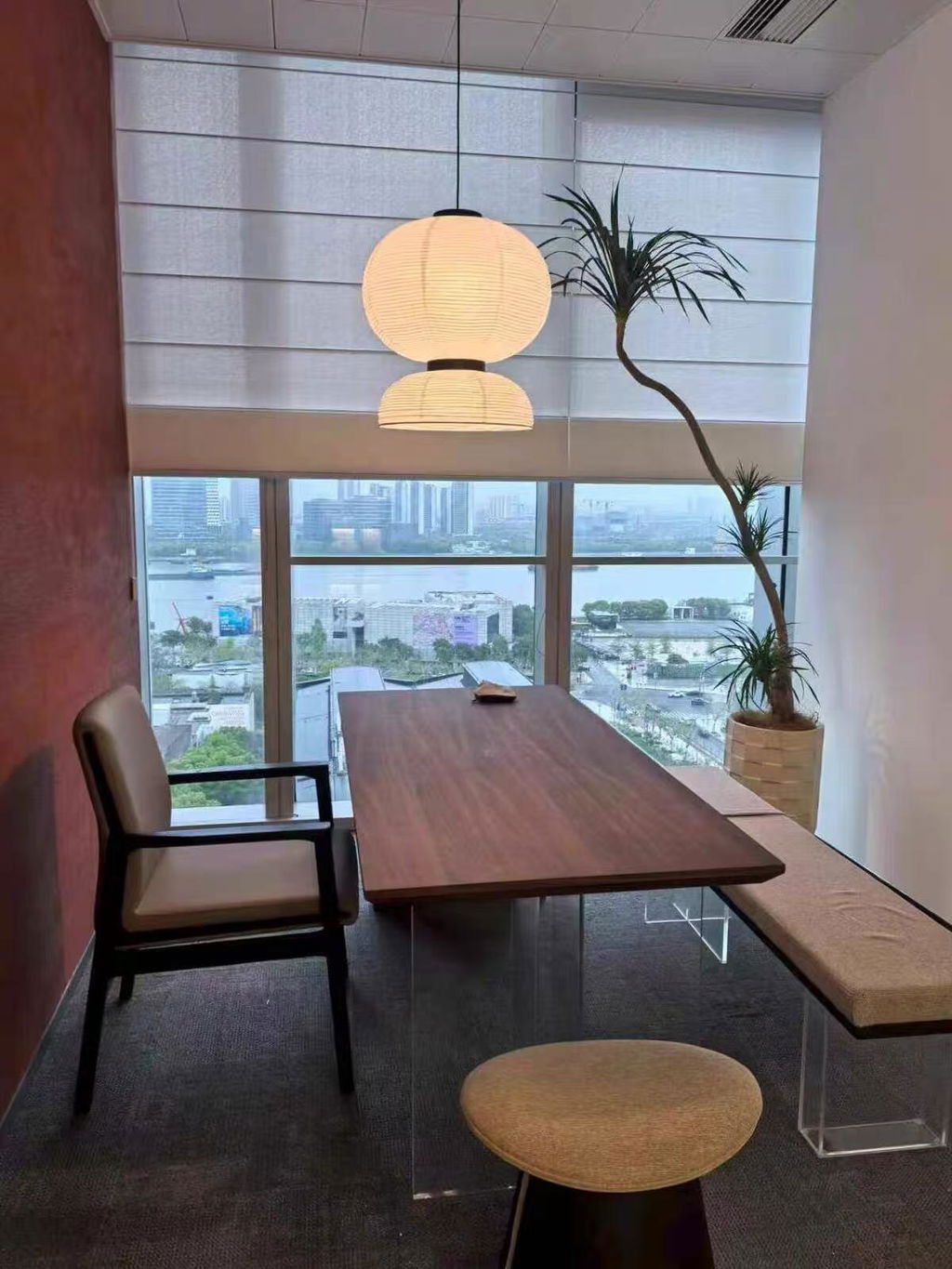
You have a 72-inch-wide dining table.
Multiply 72 by 0.5 and 0.66 → ideal fixture width sits between 36 and 47 inches.
Pick a chandelier between 36–47" wide. A 40" piece is the safest middle.
01 · Dining Room
Dining room chandeliers
The dining fixture is the most-stared-at light in any home. Get this one right and guests notice the room — not the lamp.
| Table Width |
Fixture Width |
Hanging Height Above Table |
| 48" (4-seater) |
24" – 32" |
30" – 34" |
| 60" (6-seater) |
30" – 40" |
32" – 36" |
| 72" (6–8 seater) |
36" – 47" |
32" – 36" |
| 84" (8-seater) |
42" – 55" |
34" – 38" |
| 96"+ (10-seater) |
48" – 64" (or linear) |
34" – 38" |
Designer tip: for long rectangular tables, pair two smaller pendants spaced evenly along the length instead of stretching a single fixture. Two 18" pendants over a 96" table reads more refined than one oversized chandelier.
02 · Kitchen
Kitchen island pendants
Spacing, not size, is what trips most people up over an island.
For a kitchen island, the answer almost always involves more than one pendant. Use the surface width rule, then divide by the number of fixtures and add equal margins on both ends.
Worked Example
A 78-inch island, three pendants planned.
78 ÷ 3 = 26" per pendant zone. Center each pendant in its zone — 13" from the end, then 26" apart, then 26" apart, then 13" from the other end.
Three 12" globes spaced 26" apart, 32" above the counter.
Sightline check: if you're under six feet tall, 32" above the counter often feels low. Test with a piece of cardboard taped to the ceiling at your planned height before drilling.
03 · Living Room
Living room ceiling fixtures
Living rooms reward layered light. The ceiling piece is the anchor — not the whole story.
Use the Room Diameter Rule as your starting point, then check the height. A central chandelier should clear seven feet from the floor at its lowest point — eight feet if it sits above a primary walkway. In conversation areas, hanging height matters less because nobody walks under it; you can drop the fixture lower for intimacy.
| Room Size |
Specifications |
| Small (≤140 sq ft) |
Fixture Diameter
17" – 22"
Format
Flush mount or semi-flush
|
Clearance From Floor
7' minimum
|
| Medium (140–250 sq ft) |
Fixture Diameter
22" – 30"
Format
Pendant or compact chandelier
|
Clearance From Floor
7' minimum
|
| Large (250–400 sq ft) |
Fixture Diameter
30" – 42"
Format
Statement chandelier
|
Clearance From Floor
7'6" minimum
|
| Great room (400+ sq ft) |
Fixture Diameter
42"+ or two fixtures
Format
Linear / multi-tier
|
Clearance From Floor
8' minimum
|
04 · Bedroom
Bedroom & bedside pendants
Soft, low, and personal. The bedroom is where rules bend toward comfort.
The ceiling fixture in a bedroom can be smaller than the Room Diameter Rule suggests — bedrooms benefit from a calmer scale. Pull the diameter down by 4–6 inches from the formula's result. Bedside pendants are a swap for traditional table lamps: they free the nightstand and add architectural rhythm.
| Application |
Recommended Size |
Height Detail |
| Ceiling fixture, primary bedroom |
20" – 28" diameter |
7' clearance |
| Bedside pendant, single |
6" – 10" shade |
20–26" above mattress |
| Bedside pendant, paired |
8" – 12" shade |
Symmetrical to nightstand |
| Plug-in cord pendant |
Cord length 60"+ |
Run cord along headboard wall |
No ceiling rewiring? No problem. Plug-in pendants from our Plug-In Pendant collection swap in like a table lamp. Many renters use them as bedside fixtures without ever touching the electrical box.